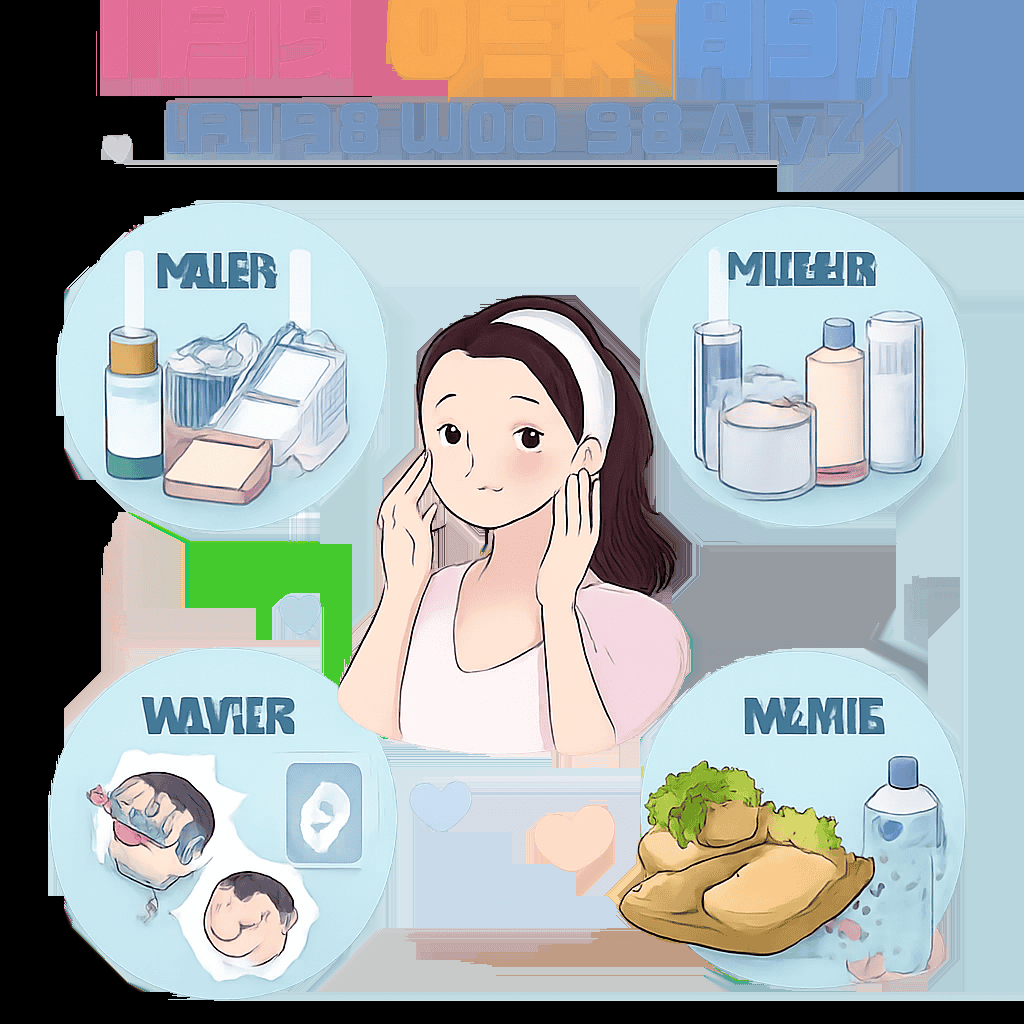
나의 여드름 여정: 좌절부터 희망까지
My personal journey with acne began in my early teens, a time marked by confusion and a growing sense of self-consciousness. What started as a few scattered blemishes quickly escalated into a persistent battle, leaving me feeling frustrated and isolated. I vividly recall the endless cycle of trying new products, desperately hoping for a miracle cure, only to be met with disappointment. This period was not just about physical discomfort; the emotional toll was significant. Hiding my face, avoiding social situations, and constant self-scrutiny became my norm. The psychological impact of acne, often underestimated, is a harsh reality for many, and it was a heavy burden to bear during those formative years. This relentless struggle, filled with countless trials and errors, underscored the urgent need for a more effective and personalized approach to skincare, one that went beyond superficial fixes.
This personal struggle, while challenging, ultimately led to a deeper understanding of skincare science and the development of a consistent, evidence-based routine. The next step in my journey involved rigorously researching and testing various home care methods, focusing on ingredients and practices that genuinely promote skin health.
집중 분석: 내 피부에 맞는 클렌징과 스킨케어 루틴 찾기
Decoding Your Skin: A Personalized Cleansing and Skincare Routine Blueprint
My personal journey through the often-frustrating world of acne wasnt just about finding products that worked; it was about understanding the fundamental principles of cleansing and skincare tailored to my unique skin. After countless trials and errors, I’ve distilled these experiences into a guide that prioritizes evidence-based practices and logical progression. This isnt about blindly following trends, but about building a routine that respects your skins specific needs, be it oily, dry, combination, or sensitive.
The cornerstone of any effective acne management strategy is a meticulous cleansing process. For oily and acne-prone skin, the temptation is to over-cleanse, stripping the skin of its natural oils, which paradoxically can trigger more oil production. My experience has shown that a gentle, double-cleansing method proves most effective. I begin with an oil-based cleanser. At first, this might seem counterintuitive for oily skin, but oil dissolves oil, effectively breaking down makeup, sunscreen, and excess sebum without harsh stripping. I’ve found formulations with ingredients like jojoba oil or grapeseed oil to be particularly beneficial as they are non-comedogenic and mimic the skin’s natural sebum. This is followed by a water-based cleanser, ideally a low-pH, sulfate-free formula. Products containing salicylic acid in concentrations of 0.5% to 2% are excellent for penetrating pores and exfoliating dead skin cells, a crucial step in preventing blockages that lead to breakouts. For drier or more sensitive skin types, I’d recommend foregoing the salicylic acid in the second cleanse or opting for a milder hydrating cleanser, focusing on ingredients like ceramides and hyaluronic acid to maintain the skin barrier.
Following cleansing, the skincare routine needs to be equally deliberate. The concept of skin type is a starting point, but individual sensitivities and current skin conditions must be considered. For those battling active breakouts, a targeted approach is key. After cleansing, I apply a toner designed to balance the skin’s pH and prepare it for subsequent treatments. Ingredients like witch hazel (alcohol-free versions are preferred to avoid dryness) or green tea extract can offer soothing and antioxidant benefits. The next crucial step is a serum. For acne, serums rich in niacinamide have been a revelation. Niacinamide helps regulate oil production, reduces inflammation, and improves the appearance of enlarged pores. I’ve personally seen a significant reduction in redness and the frequency of breakouts when incorporating a 5-10% niacinamide serum into my routine. For hyperpigmentation left behind by acne, Vitamin C serums, applied in the morning, can help brighten the skin and fade dark spots over time, though it’s important to start with lower concentrations and patch-test for sensitivity.
Moisturization, often overlooked by those with oily skin, is non-negotiable. The goal is to hydrate without clogging pores. Lightweight, water-based gel moisturizers or lotions containing humectants like hyaluronic acid and glycerin are ideal. These draw moisture into the skin without feeling heavy or greasy. For those with drier skin, a slightly richer cream might be necessary, but still look for non-comedogenic formulations. Finally, sun protection is paramount. Daily use of a broad-spectrum SPF 30 or higher sunscreen is critical, not only to prevent sun damage but also to stop post-inflammatory hyperpigmentation from darkening. Mineral sunscreens with zinc oxide and titanium dioxide are often well-tolerated by acne-prone skin.
The order of application is also critical. A general rule of thumb is to apply products from thinnest to thickest consistency: cleanser, toner, serum, moisturizer, and sunscreen. This ensures optimal absorption of active ingredients. Understanding the ingredients within each product is the next logical step. For instance, knowing that retinoids are potent in treating acne and signs of aging, but require careful introduction and consistent sun protection, empowers you to make informed choices rather than relying on marketing claims. This meticulous, evidence-based approach to cleansing and skincare is the foundation upon which a truly clear and healthy complexion is built.
Moving forward, its essential to recognize that while a robust topical routine is vital, external factors significantly influence our skins health. The habits we cultivate and the foods we consume play an equally important role in our battle against acne.
여드름 악화시키는 숨겨진 습관과 식습관 개선 가이드
My personal journey with acne was a frustrating cycle of trying new products and treatments, only to find my skin worsening. It wasnt until I started meticulously examining my daily habits and dietary choices that I saw a real shift. Many of us, myself included, unknowingly perpetuate our skin issues through seemingly innocuous actions.
One of the most common culprits I identified was improper cleansing. The urge to scrub vigorously, especially after a long day, is strong. However, this abrasive action can strip the skin of its natural oils, leading to irritation and increased sebum production as the skin tries to compensate. My breakthrough came with adopting a gentler, double-cleansing method. First, an oil-based cleanser to break down makeup and sebum, followed by a water-based cleanser to wash away impurities. This approach ensured my skin was thoroughly cleansed without being over-stripped.
Beyond cleansing, the way we touch our face is another significant, often overlooked, factor. Constantly touching, picking, or resting our chin on our hands transfers bacteria from our palms and environment directly onto our skin. This habit, born from anxiety or simple unconsciousness, can easily lead to breakouts and inflammation. Implementing a conscious effort to keep hands away from the face, especially during the day, proved to be a surprisingly effective habit change.
Then theres the diet. For years, I subscribed to the common advice that certain foods directly caused acne. While theres a correlation, the reality is more nuanced. My personal experience and subsequent research pointed towards a more holistic view: inflammation is a key driver of acne, and certain dietary patterns can exacerbate it. High-glycemic index foods, such as refined sugars and processed carbohydrates, were major triggers for me. They cause rapid spikes in blood sugar, which can lead to increased androgen hormone activity and inflammation.
Transitioning to a diet rich in whole foods, lean proteins, and healthy fats significantly improved my skins resilience. Incorporating plenty of fruits, vegetables, and omega-3 fatty acids found in fish and flaxseeds helped reduce overall inflammation. It wasnt about drastic elimination but rather a conscious shift towards nutrient-dense foods that support skin health from the inside out. This dietary recalibration, coupled with mindful habit changes, formed the bedrock of my acne-free journey. The next step in achieving truly clear skin involves understanding the specific ingredients and product types that work best for different acne concerns.
꾸준함의 힘: 나만의 여드름 관리 노하우와 유지 비결
The journey to clear skin is rarely a sprint; its 여드름한의원 a marathon demanding consistent effort and a deep understanding of what truly works. In my experience, the most significant transformations in managing acne havent come from overnight miracle cures, but from the unwavering commitment to a well-defined, personalized skincare regimen. This is where the power of persistence truly shines, transforming temporary fixes into lasting improvements.
Looking back at the progress, the initial steps of establishing a thorough yet gentle cleansing routine and a balanced, non-comedogenic skincare routine laid the crucial groundwork. However, the real breakthrough occurred when these practices became ingrained habits, not just occasional efforts. For instance, religiously double-cleansing every night, even after a long and exhausting day, became non-negotiable. This wasnt just about removing makeup or sunscreen; it was about ensuring every trace of pore-clogging impurities was eliminated, preventing the inflammation that often precedes a breakout. Dermatologists often emphasize that consistent cleansing is paramount, and my own skins response has been a powerful testament to this expert advice. The logical evidence is clear: a clean canvas is less susceptible to bacterial proliferation and inflammation.
Beyond the daily ritual, I found that identifying and eradicating detrimental habits was equally vital. The urge to touch my face, a subconscious behavior, was a major culprit. Each touch, no matter how light, can transfer bacteria from hands to the face, exacerbating existing acne or causing new ones. Implementing strategies to minimize this, such as keeping hands occupied or consciously reminding myself to stop, proved surprisingly effective. Furthermore, understanding the impact of stress on my skin led to incorporating mindfulness and stress-reduction techniques. Studies have consistently shown a correlation between stress hormones like cortisol and increased sebum production, a key factor in acne development. My personal experience validated this; periods of high stress invariably corresponded with flare-ups.
Dietary adjustments, often cited as a contributing factor, also played a role, albeit a nuanced one. While I didnt subscribe to extreme elimination diets, I noticed a significant improvement when I reduced my intake of high-glycemic index foods and excessive dairy. This aligns with emerging research suggesting a link between diet and acne severity. It’s not about deprivation, but about making informed choices that nourish the body from the inside out, reflecting positively on the skin. The key here was gradual modification and observing my skins specific reactions, rather than making sweeping changes.
The true secret to maintaining clear skin, however, lies in the post-acne phase – the maintenance. This is where many fall back into old habits, only to see their hard-won progress reverse. My strategy for sustained clarity has been multifaceted. Firstly, I never completely abandon the core principles of my effective routine. Even when my skin is clear, I continue with my consistent cleansing, appropriate hydration, and targeted treatments as needed. Secondly, I’ve become adept at early detection. I can now recognize the subtle signs of an impending breakout – a slight redness, a particular sensitivity – and proactively address it with a spot treatment or a temporary adjustment to my routine, preventing it from escalating. This predictive capability is a direct result of years of closely observing my skins unique responses to various factors.
Finally, the most powerful tool for sustained success has been self-compassion and realistic expectations. There will be occasional blemishes; thats a natural part of having skin. The goal isnt absolute perfection, but consistent health and resilience. By embracing the ongoing nature of skincare and celebrating small victories, the motivation to maintain these healthy habits remains strong. This approach, grounded in consistent application of proven methods, mindful habit modification, and a patient, observant mindset, has been the cornerstone of my sustained freedom from persistent acne. The power of consistency, coupled with an informed, personalized strategy, truly is the ultimate key to long-term skin health.